

Booking a free skin treatment consultation is an easy first step, but what happens once the consultation is over? For someone new to professional skincare, the process can feel unfamiliar.
You may wonder whether you need to make an immediate decision, when treatment can begin, or what you should do to prepare.
A consultation is primarily an opportunity to understand your skin, discuss your concerns, and explore suitable treatment options.
What happens afterward depends on the treatment being considered, your individual needs, and whether you decide to move forward.
You’ll Have a Better Understanding of Your Skin
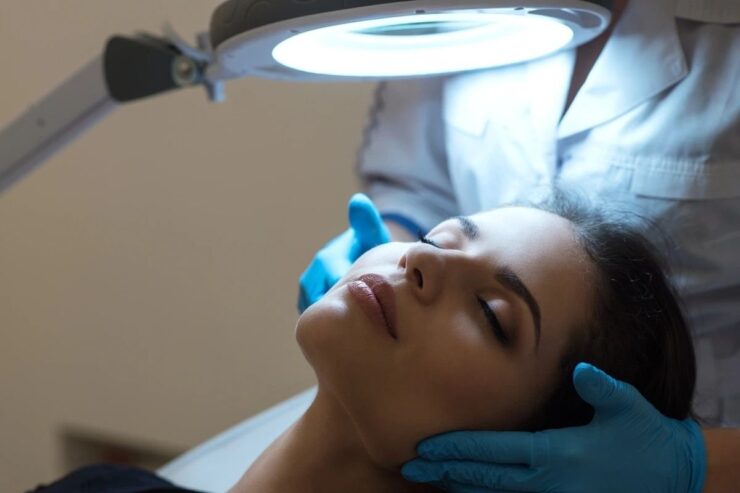
One of the most useful things to come out of a skin consultation is a clearer understanding of what you actually want to address.
It is easy to look in the mirror and decide that your skin seems dull, uneven, or simply different from how you would like it to look.
A professional assessment can help turn those general concerns into more specific treatment goals.
For example, concerns might include fine lines, uneven texture, discoloration, acne, dryness, or visible signs of sun exposure. Identifying the issue makes it easier to determine which treatment options are worth considering.
You May Receive a Personalized Treatment Recommendation
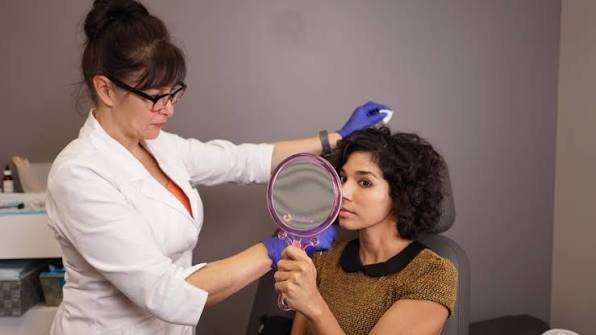
There is no single skin treatment that is right for everyone. After discussing your goals and assessing your skin, a provider may recommend one treatment or a combination of options.
Professional medspas such as dermani MEDSPA® in Kennesaw offer skin rejuvenation options including chemical peels, microdermabrasion, facials, IPL photofacials, and dermaplaning. Premium options can include treatments such as HydraFacial and SkinPen microneedling.
The treatment recommended should depend on your skin and goals rather than simply which procedure happens to be popular.
Someone primarily concerned about surface texture, for example, may receive a different recommendation from someone wanting to address pigmentation or signs of aging.
You May Also Receive a Suggested Treatment Schedule

In some cases, the recommendation will involve more than one appointment. Certain skin concerns respond better to a series of treatments rather than a single session, especially when the goal is to improve texture, pigmentation, acne-related concerns, or visible signs of aging.
Your provider may explain how frequently treatments are usually performed and whether the schedule could change depending on how your skin responds. For example, some treatments may be spaced several weeks apart to allow the skin time to recover.
This is also a good opportunity to ask whether maintenance treatments may be recommended later.
Understanding the likely schedule from the beginning can make it easier to plan around work, travel, special events, and your overall budget.
Your Medical and Skincare History May Affect the Plan
Professional aesthetic treatments need to be approached with more consideration than simply choosing something from a menu. Your provider may need to know about factors that could affect treatment suitability.
These can include medications, allergies, previous reactions to skincare treatments, recent sun exposure, active skin conditions, and other relevant aspects of your medical history.
You should also mention products you regularly use at home. Ingredients such as retinoids and exfoliating acids can be particularly relevant before certain procedures.
Providing accurate information helps the provider determine whether a treatment is appropriate and whether any adjustments or preparation may be necessary.
You’ll Learn What Results Are Realistic
A good consultation should help establish realistic expectations. Professional skin treatments can improve many cosmetic concerns, but they cannot necessarily produce flawless skin or completely eliminate every sign of aging, pigmentation, or texture.
Results can also vary between people. Factors such as skin type, age, treatment intensity, lifestyle, and consistency can influence the outcome.
Your provider should explain what the recommended treatment is intended to accomplish, how quickly changes might become noticeable, and whether multiple sessions are commonly needed.
This is a useful time to ask how long results may last and whether ongoing maintenance could be necessary.
You’ll Understand the Expected Recovery or Downtime
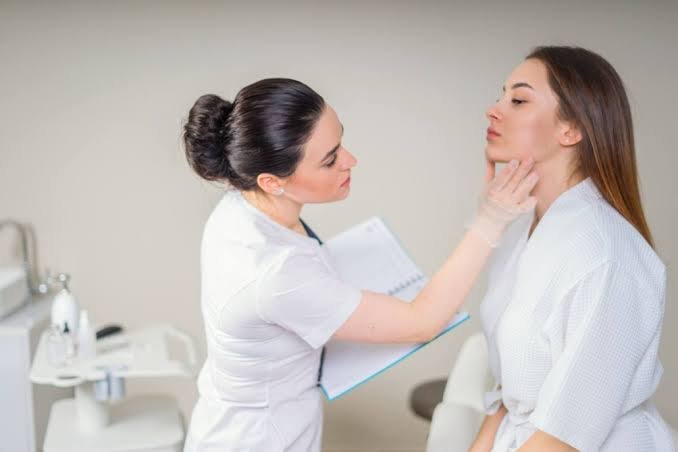
Not every professional skin treatment requires downtime, but some procedures may cause temporary redness, sensitivity, peeling, swelling, or dryness. A consultation should give you a clearer idea of what to expect after treatment.
Knowing the recovery process in advance can help you choose the right timing. If you have an important event coming up, for example, you may want to avoid scheduling a treatment that commonly causes several days of visible peeling or redness immediately beforehand.
Your provider may also explain what products to use or avoid during recovery and when you can return to your normal skincare routine. Following aftercare instructions can help reduce unnecessary irritation and support the healing process.
You May Be Able to Start Treatment Soon
Depending on the treatment and provider, it may be possible to begin shortly after the consultation. Some medspas even allow new clients to arrange their consultation and treatment consecutively on the same day. However, immediate treatment is not always appropriate.
Some procedures require preparation beforehand. You might need to temporarily adjust certain skincare products, avoid excessive sun exposure, or follow other instructions before your appointment.
There may also be situations where delaying treatment is recommended. Rather than viewing this as an inconvenience, consider preparation part of the treatment process. Following pre-treatment instructions can be important for both safety and results.
There Should Be No Pressure to Proceed
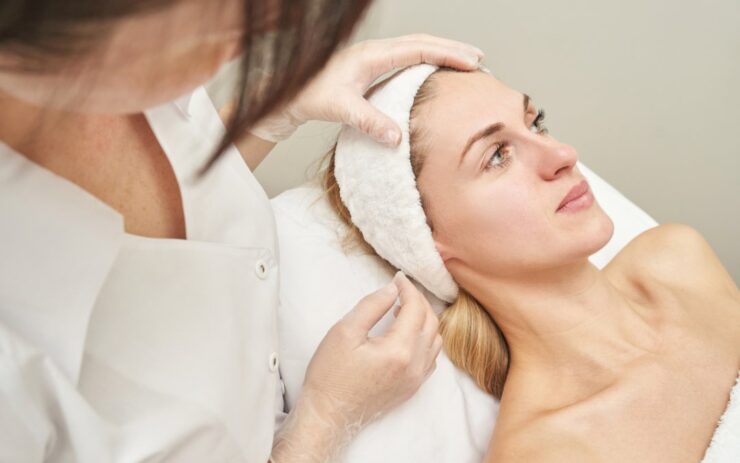
A free consultation does not mean you are obligated to book a treatment. You should have the opportunity to consider the recommendation, understand the cost, ask questions, and decide whether the procedure fits your goals and budget.
If you do not understand why a particular treatment has been recommended, ask, and follow this up with a question about alternatives.
You Can Take the Information Home and Decide Later
You do not need to make a decision during the consultation itself. In many cases, it can be useful to take some time to think about the recommended treatment, expected results, cost, recovery time, and number of sessions involved.
If more than one treatment has been suggested, compare the advantages and limitations of each option before booking. You may also want to consider how the treatment fits into your existing skincare routine and schedule.
A consultation should leave you feeling informed rather than rushed. Even if you decide not to proceed immediately, the information you receive can still help you better understand your skin and make more informed skincare decisions in the future.
